Get Back on the Road With Peace of Mind - Reliable Auto Repair
Quality auto repair supports safe and strong vehicle operation. A established shop supplies thorough services, from periodic inspections to urgent repairs. Figuring out when a car needs attention can be overwhelming. Many drivers struggle to locate credible repair professionals. Preventive upkeep plays an important role in extending a vehicle's lifespan. Yet, the issues involving expenses and connecting with technicians can leave one unsure. How can vehicle owners proceed to keep their vehicles road-ready?
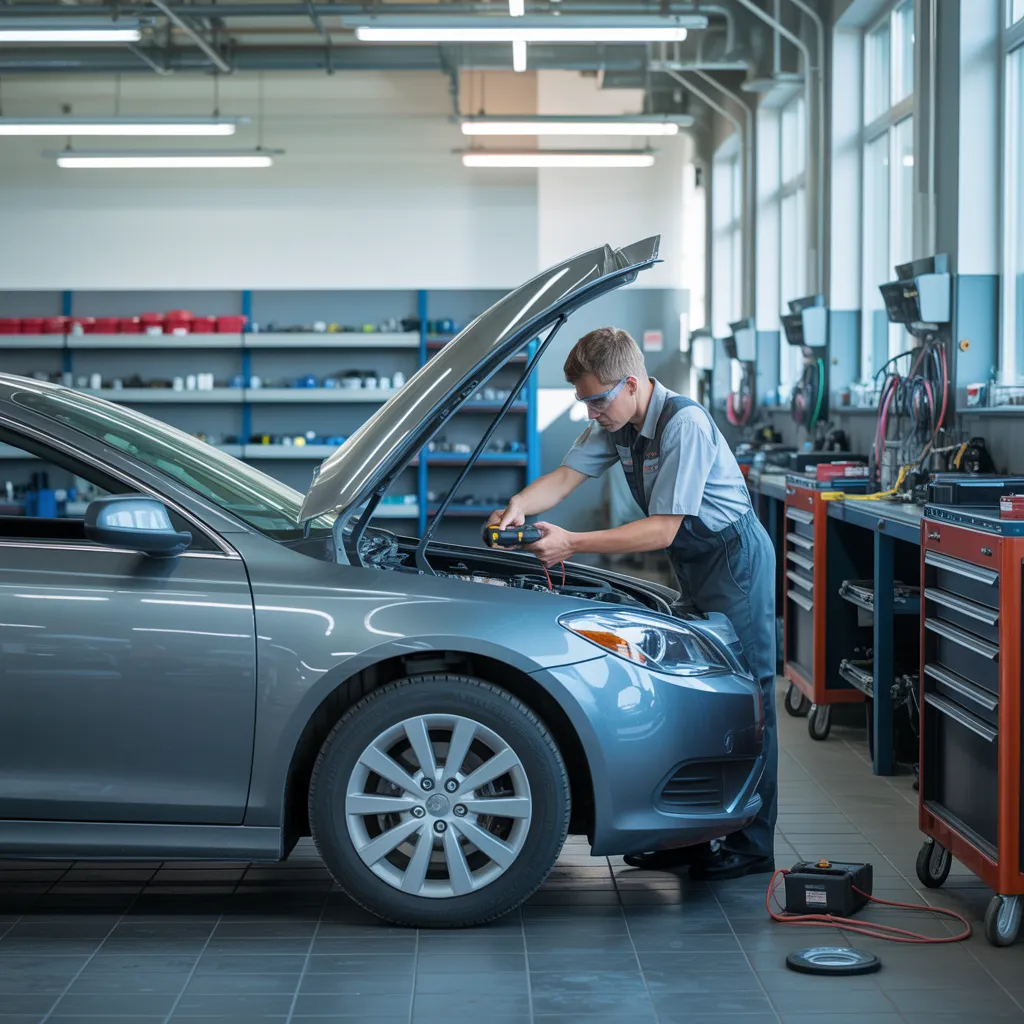
Determining When Your Vehicle Needs Fixes
How can one know when a vehicle needs repair? There are various key indicators that indicate a requirement for maintenance. Unusual noises, such as grinding or squeaking, often point to brake or engine issues. Warning lights on the dashboard, particularly the check engine light, should not be ignored, as they indicate potential problems that demand immediate investigation. Additionally, a reduction in performance, such as sluggish acceleration or difficulty starting, can also point to underlying mechanical issues.
Visual cues, such as fluid leaks or irregular tire degradation, are further indications that upkeep is necessary. If the automobile pulls toward one direction while driving, this could suggest misalignment issues or tire issues. Consistently monitoring these components can help ensure quick repairs, preventing greater harm and expenses in the coming years. Ultimately, being vigilant and proactive is essential for keeping your vehicle healthy.
How to Find a Reputable Auto Repair Shop
Locating a reliable repair facility can be a tough task for vehicle owners. To start out, individuals should seek guidance from associates, next of kin, or work associates. Own experiences often convey pertinent information into a operation's quality of service. Online reviews and marks on networks like Yelp or Google can further help evaluate customer satisfaction.
Next, verifying credentials and memberships with recognized industry organizations, such as the Automotive Service Excellence (ASE), can demonstrate a shop's commitment to professional standards. It is recommended to visit potential shops for an first meeting, allowing owners to assess tidiness, structure, and service quality.
Furthermore, acquiring documented quotes before any work begins can avoid misunderstandings concerning costs. Finally, a dependable shop should be transparent about its services and willing to explain repairs. By adhering to these steps, vehicle owners can increase their chances of finding a reputable auto repair shop.
The Key Advantages of Consistent Automobile Maintenance
While many vehicle owners may overlook routine upkeep, regular vehicle maintenance is essential for ensuring a car's lifespan and optimal functionality. Neglecting maintenance can result in a series of problems, from minor inconveniences to significant breakdowns. Routine checks, such as oil replacements, tire rotations, and brake checks, can prevent costly repairs and improve safety on the road.
Additionally, regular upkeep helps sustain a vehicle's fuel economy, decreasing overall operating costs. It also preserves the resale value; a properly maintained car is often more attractive to potential buyers.
Engaging in scheduled upkeep builds a sense of responsibility among owners, encouraging them to remain informed about their vehicle's requirements. By stressing regular care, vehicle owners not only protect their purchase but also participate in general traffic safety. Ultimately, consistent vehicle maintenance is a forward-thinking approach that advantages both the owner and the broader society.
Learning About Restoration Costs
Comprehending maintenance costs can frequently seem confusing for automobile owners. Diverse factors determine such expenses, involving technician rates, parts pricing, and the degree of difficulty of the repair job. Labor charges differ extensively across different regions and shops, typically manifesting the mechanic's skill level and the shop's operational expenses. In addition, the category of components chosen—if OEM parts or aftermarket options—can markedly determine the ultimate bill.
Vehicle years and type also play a role; vintage or rare models may require unique components that are pricier and more difficult to find. Additionally, surprise complications can emerge during repairs, leading to supplementary charges that were not foreseen at first. By acquiring general awareness of these elements, vehicle owners can tackle repair quotes with increased assurance and make informed decisions regarding their car-related necessities.
How to Precisely Communicate Car Issues to Your Technician
Expressing car problems clearly to a mechanic can greatly enhance the evaluation and maintenance procedure. When explaining issues, car owners should be detailed about signs, such as strange sounds, tremors, or warning lights. Providing information on when the problem takes place—whether during speeding up, braking, or running at rest—can also help the mechanic identify the problem.
It is important to note any recent changes in driving conduct or maintenance history. Utilizing clear, straightforward language avoids ambiguity, allowing the mechanic to interpret the situation more accurately. Owners should avoid using technical jargon unless they are assured in its meaning.
In addition, presenting documentation, such as service records or previous repair invoices, can deliver context. A well-defined account not only quickens swift diagnosis but also promotes a teamwork approach between the car owner and the mechanic, ultimately ensuring effective repairs.
Establishing a Lasting Connection With Your Auto Repair Shop
Creating a long-term bond with an auto repair shop relies on faith and openness. Regular superior service strengthens this connection, while open interaction channels guarantee that clients sense appreciated and acknowledged. Together, these components form a collaboration that benefits both the client and the mechanic.
Foster Trust Using Transparent Operations
When clients feel educated about the services their vehicles need, trust naturally emerges between them and their auto repair shop. Transparency in communication is key; it allows customers to understand the motivation behind recommended repairs and maintenance. Auto repair shops that provide in-depth explanations, precise estimates, and open dialogues encourage a sense of security among their clientele. This openness not only clarifies the repair process but also empowers clients to make educated decisions. Additionally, sharing information about the shop’s qualifications, warranties, and service history raises credibility. By focusing on transparency, auto repair shops can nurture lasting relationships, encouraging customer loyalty and retention. Ultimately, trust through transparency enables a more satisfying and trustworthy auto repair experience.
Dependable Quality Service
Consistent quality service is the bedrock of a lasting relationship between customers and their repair shop. When customers receive solid and quick repairs, they are more likely to return for further servicing. This steadiness generates trust, allowing customers to be confident in the proficiency of the technicians. Over time, as customers view the same high standards being upheld, a sense of devotion develops. Quality checks executed routinely and adherence to industry standards guarantee that vehicles are not only remedied but also cared for to stop later problems. Such commitment to excellence creates an setting where customers feel valued, knowing their vehicles are in expert hands. Ultimately, this commitment to consistent quality service strengthens the bond between auto repair shops and their clientele.
Develop Communication Lines
Effective communication serves as an essential connection between patrons and their auto repair shops, enhancing trust and comprehension. Open communication pathways foster a teamwork-oriented atmosphere where patrons feel important and informed. When repair shops provide lucid explanations about work performed, expenses, and Denver Auto Repair timelines, customers can make better decisions about their automobiles. Consistent updates during repairs can alleviate anxiety and build assurance in the shop's proficiency. Conversely, patrons who voice their reservations and preferences contribute to a more personalized experience. This two-way exchange not only deepens bonds but also encourages loyalty. By prioritizing transparent interchange, auto repair shops can establish a reputation for trustworthiness, ensuring that patrons revisit for subsequent needs, certain in the labor they will receive.
Common Inquiries Asked Often
What Can I Do if My Car Fails Suddenly?
If a vehicle breaks down suddenly, the driver should safely pull over, turn on hazard lights, assess the situation, and call for roadside assistance or a tow service if needed. Keeping your composure is essential.
How Can I Figure Out if a Mechanic Is Credible?
To determine a mechanic's reliability, one should check reviews, ask for referrals, verify qualifications, and observe transparency in costs. A reliable mechanic will speak plainly and provide detailed explanations of required maintenance and work.
Do warranties cover auto repairs work?
Numerous auto repair shops offer coverage on their services and parts, typically spanning 90 days to several years. Customers should inquire regarding specific terms and conditions to guarantee adequate protection for their repairs.
What Must-Haves Should I Maintain in My Car for Emergencies?
A well-maintained vehicle should include a spare tire, jack, jumper cables, flashlight, first aid kit, standard tools, and tire pressure gauge. These crucial supplies help ensure safety and handle minor issues during unexpected emergencies on the road.
What Can I Do to Ready My Car for Changing Seasons?
To make set a car for weather transitions, one should check fluid levels, examine tires for tread and pressure, test the power source, change wipers, and make certain lights function properly for best safety and operation.